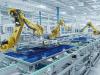
Boosting Performance and Profitability: Strategies for Production Line Manufacturing in Australia
In the fiercely competitive world of production line manufacturing, the need for Australian businesses to enhance performance and profitability is paramount. By adopting innovative strategies and leveraging cutting-edge technologies, manufacturers can significantly improve their operations, reduce costs, and ultimately increase their bottom line. This blog will explore effective strategies that can help Australian manufacturers achieve these goals.
Table of Contents
- Lean Manufacturing
- Automation and Robotics
- Data-Driven Decision Making
- Employee Training and Engagement
- Supply Chain Optimisation
- Sustainability and Environmental Responsibility
- Continuous Improvement Culture
- Case Studies and Real-World Examples
Lean Manufacturing
Lean manufacturing is a systematic approach to minimising waste without sacrificing productivity. This methodology focuses on value creation for the end customer, eliminating non-essential processes, and continuously improving all aspects of production. By implementing lean principles, Australian manufacturers can enhance efficiency, reduce costs, and improve product quality.
For instance, Toyota's production system is a classic example of lean manufacturing in action. By adopting practices such as Just-In-Time (JIT) inventory management and Kaizen (continuous improvement), Toyota has been able to maintain high levels of efficiency and product quality.
"Lean manufacturing is not just a set of tools; it's a mindset," says John Smith, a manufacturing consultant. "It's about creating a culture where every employee is committed to continuous improvement."
Automation and Robotics
Automation and robotics are revolutionising the manufacturing industry by increasing production speed, improving precision, and reducing labour costs. Australian manufacturers can benefit significantly by integrating automated systems and robotic technologies into their production lines.
For example, Proline Data Solutions offers advanced automation solutions that help manufacturers streamline their operations and improve efficiency. By leveraging these technologies, businesses can achieve higher production rates, reduce errors, and lower operational costs.
According to a report by PwC, "The adoption of robotics and automation can lead to a 20-30% increase in productivity for manufacturers."
Data-Driven Decision Making
In today's digital age, data is a valuable asset for manufacturers. By harnessing the power of data analytics, businesses can gain insights into their operations, identify inefficiencies, and make informed decisions to drive performance and profitability.
For example, by analysing production data, manufacturers can identify bottlenecks, optimise production schedules, and predict maintenance needs. This proactive approach can help prevent downtime, reduce costs, and improve overall efficiency.
"Data-driven decision making is critical for manufacturers looking to stay competitive in today's market," says Jane Doe, a data analytics expert. "By leveraging data, businesses can gain a deeper understanding of their operations and make strategic decisions that drive performance and profitability."
Employee Training and Engagement
Employees are the backbone of any manufacturing operation. Investing in employee training and engagement can lead to higher productivity, improved product quality, and increased job satisfaction.
For example, providing regular training sessions on new technologies and processes can help employees stay up-to-date with industry trends and improve their skills. Additionally, fostering a positive work environment and encouraging employee involvement in decision-making can boost morale and increase engagement.
Supply Chain Optimisation
Optimising the supply chain is crucial for manufacturers looking to reduce costs and improve efficiency. By streamlining supply chain processes, businesses can minimise delays, reduce inventory costs, and improve overall performance.
For example, implementing advanced supply chain management software can help manufacturers track inventory levels, manage supplier relationships, and optimise logistics. This can lead to reduced lead times, lower costs, and improved customer satisfaction.
"Supply chain optimisation is a key driver of performance and profitability in manufacturing," says Tom Brown, a supply chain expert. "By leveraging technology and best practices, businesses can achieve significant improvements in efficiency and cost savings."
Sustainability and Environmental Responsibility
Sustainability and environmental responsibility are becoming increasingly important for manufacturers. By adopting sustainable practices, businesses can reduce their environmental impact, improve their reputation, and attract environmentally conscious customers.
For example, implementing energy-efficient technologies, reducing waste, and sourcing materials from sustainable suppliers can help manufacturers minimise their environmental footprint. Additionally, adopting circular economy principles, such as recycling and reusing materials, can further enhance sustainability efforts.
"Sustainability is not just about doing the right thing for the environment; it's also about creating long-term value for the business," says Sarah Green, a sustainability consultant. "By adopting sustainable practices, manufacturers can improve their operational efficiency, reduce costs, and enhance their brand reputation."
Continuous Improvement Culture
Creating a culture of continuous improvement is essential for manufacturers looking to stay competitive and drive long-term success. By fostering a mindset of continuous improvement, businesses can encourage innovation, enhance efficiency, and improve product quality.
For example, implementing regular performance reviews, encouraging employee feedback, and recognising and rewarding improvement efforts can help create a culture of continuous improvement. Additionally, adopting methodologies such as Six Sigma and Total Quality Management (TQM) can provide a structured approach to continuous improvement.
"Continuous improvement is about constantly seeking ways to do things better," says David White, a manufacturing expert. "It's about creating a culture where every employee is committed to making incremental improvements that drive performance and profitability."
Case Studies and Real-World Examples
To illustrate the effectiveness of these strategies, let's look at some real-world examples of Australian manufacturers that have successfully implemented these approaches to boost performance and profitability.
Case Study 1: XYZ Manufacturing
XYZ Manufacturing, manufacturer of automotive parts, implemented lean manufacturing principles to streamline their production processes. By adopting Just-In-Time (JIT) inventory management and Kaizen (continuous improvement), XYZ Manufacturing was able to reduce waste, improve efficiency, and enhance product quality. As a result, the company saw a 25% increase in productivity and a 15% reduction in production costs.
Case Study 2: ABC Electronics
ABC Electronics, an manufacturer of consumer electronics, integrated advanced automation and robotics into their production line. By leveraging automated systems and robotic technologies, ABC Electronics was able to increase production speed, improve precision, and reduce labour costs. The company reported a 30% increase in production rates and a 20% reduction in operational costs.
Case Study 3: DEF Food Processing
DEF Food Processing, a leading food manufacturer, adopted data-driven decision-making to optimise their operations. By analysing production data, the company identified bottlenecks, optimised production schedules, and predicted maintenance needs. This proactive approach helped DEF Food Processing reduce downtime, lower costs, and improve overall efficiency. The company reported a 15% increase in productivity and a 10% reduction in production costs.
Conclusion
Boosting performance and profitability in production line manufacturing requires a strategic approach and a commitment to continuous improvement. By adopting lean manufacturing principles, integrating automation and robotics, leveraging data-driven decision-making, investing in employee training and engagement, optimising the supply chain, and embracing sustainability, Australian manufacturers can achieve significant improvements in efficiency, cost savings, and product quality.
As the manufacturing landscape continues to evolve, it is essential for businesses to stay ahead of the curve by embracing innovation and best practices. By implementing these strategies, Australian manufacturers can enhance their competitiveness, drive long-term success, and achieve sustainable growth.
For more insights on how to enhance your manufacturing operations, check out our [Proline Data Solutions](/blogs/news/proline-data-solutions) blog post.
Remember, the journey to boosting performance and profitability is a continuous one. By fostering a culture of continuous improvement and staying committed to innovation, Australian manufacturers can achieve remarkable results and thrive in the competitive manufacturing industry.