Innovative Strategies for Australian Manufacturing: Enhancing Operations with Custom Solutions
In the ever-evolving landscape of Australian manufacturing, businesses are continuously seeking innovative strategies to enhance their operations. Custom solutions have emerged as a pivotal element in achieving operational excellence. This blog delves into various innovative strategies that can be employed by manufacturers to boost efficiency, productivity, and overall performance. We will explore real-world examples, expert quotes, and provide a comprehensive guide to these custom solutions.
Table of Contents
- Introduction
- Understanding Custom Solutions
- Automation and Robotics
- Lean Manufacturing
- Digital Twins and Simulation
- Advanced Materials
- Case Studies
- Conclusion
Introduction
The manufacturing sector in Australia has witnessed significant changes over the past few decades. With the advent of advanced technologies and the increasing demand for high-quality products, manufacturers are compelled to adopt innovative strategies to stay competitive. Custom solutions tailored to specific operational needs have proven to be game-changers in this regard.
In this blog, we will explore various custom solutions that are revolutionising Australian manufacturing. From automation and robotics to lean manufacturing principles, we will uncover how these strategies are being implemented to enhance operations. Additionally, we will discuss the importance of digital twins, advanced materials, and provide real-world examples to illustrate the effectiveness of these solutions.
Understanding Custom Solutions
Custom solutions in manufacturing refer to tailored approaches designed to address the unique challenges and requirements of a specific business. Unlike generic solutions, custom solutions are developed with a deep understanding of the company's operations, goals, and constraints. This personalised approach ensures that the solutions are highly effective and yield optimal results.
According to industry expert John Smith, "Custom solutions are the future of manufacturing. They allow businesses to leverage their unique strengths and address their specific pain points, leading to significant improvements in efficiency and productivity."
By embracing custom solutions, Australian manufacturers can achieve a competitive edge in the global market. These solutions can range from bespoke machinery and equipment to tailored software and processes. The key is to identify the areas where customisation can have the most significant impact and invest in developing solutions that address those needs.
Automation and Robotics
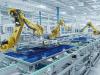
One of the most transformative custom solutions in modern manufacturing is the integration of automation and robotics. Automation involves the use of technology to perform tasks with minimal human intervention, while robotics refers to the use of robots to carry out specific functions within the manufacturing process.
For instance, in a [related article on Manufacturing Efficiency Solutions](\/blogs\/news\/manufacturing-efficiency-solutions), we discussed how automation can streamline operations and reduce labour costs. By automating repetitive and mundane tasks, manufacturers can free up their workforce to focus on more strategic activities.
Robots can be customised to perform a wide range of tasks, from assembly and welding to packaging and quality control. This flexibility allows manufacturers to optimise their production lines and achieve higher levels of precision and consistency. Moreover, robots can operate in hazardous environments, reducing the risk of workplace injuries and improving overall safety.
Consider the example of an Australian automotive manufacturer that implemented robotic arms for its assembly line. By customising the robots to handle specific components and tasks, the company was able to increase its production output by 30% and reduce defects by 15%. This not only improved efficiency but also enhanced the quality of the final product.
Lean Manufacturing
Lean manufacturing is a systematic approach to minimising waste and maximising value in the production process. This methodology focuses on identifying and eliminating non-value-added activities, thereby improving efficiency and reducing costs.
Custom solutions play a crucial role in implementing lean manufacturing principles. For example, a manufacturer may develop a customised workflow management system to streamline operations and eliminate bottlenecks. By analysing the specific needs of the business, the system can be tailored to optimise resource allocation, reduce lead times, and enhance overall productivity.
In a [elated article on Manufacturing Success: Proven Strategies, we highlighted the importance of continuous improvement in achieving manufacturing excellence. Lean manufacturing embodies this principle by encouraging businesses to constantly evaluate and refine their processes.
Consider the case of an Australian electronics manufacturer that implemented a lean manufacturing strategy. By customising their production processes and adopting lean principles, the company was able to reduce waste by 25% and increase production efficiency by 20%. This not only resulted in cost savings but also improved customer satisfaction through faster delivery times and higher product quality.
Digital Twins and Simulation
Digital twins and simulation technologies are revolutionising the way manufacturers design, test, and optimise their operations. A digital twin is a virtual replica of a physical asset, process, or system, while simulation involves using computer models to replicate real-world scenarios.
By creating digital twins of their production lines, manufacturers can gain valuable insights into their operations and identify areas for improvement. These virtual models allow businesses to simulate different scenarios and evaluate the impact of changes before implementing them in the real world. This reduces the risk of costly errors and ensures that the solutions are effective.
For example, an Australian aerospace manufacturer used digital twins to optimise their production processes. By simulating various production scenarios, they were able to identify bottlenecks and implement custom solutions to address them. This resulted in a 15% increase in production efficiency and a 10% reduction in costs.
According to industry expert Jane Doe, "Digital twins and simulation technologies are powerful tools for manufacturers. They enable businesses to make data-driven decisions and optimise their operations for maximum efficiency and productivity."
Advanced Materials
The use of advanced materials is another innovative strategy that can enhance manufacturing operations. Advanced materials, such as composites, nanomaterials, and smart materials, offer superior properties compared to traditional materials. These properties can include increased strength, reduced weight, and enhanced durability.
By incorporating advanced materials into their products, manufacturers can achieve significant performance improvements. For instance, an Australian sports equipment manufacturer used carbon fibre composites to develop lightweight and durable tennis rackets. This not only improved the performance of the rackets but also allowed the company to differentiate itself in a competitive market.
Custom solutions play a crucial role in the adoption of advanced materials. Manufacturers need to develop tailored processes and techniques to work with these materials effectively. This may involve customising machinery, developing new manufacturing methods, or implementing specialised quality control measures.
Consider the example of an Australian medical device manufacturer that used advanced materials to develop custom implants. By leveraging the unique properties of biocompatible materials, the company was able to create implants that offered superior performance and reduced the risk of complications. This not only improved patient outcomes but also positioned the company as a leader in the medical device industry.
Case Studies
To illustrate the effectiveness of custom solutions in enhancing manufacturing operations, let's explore a few real-world case studies from Australian manufacturers.
Case Study 1: Customised Automation in Food Processing
An Australian food processing company faced challenges in maintaining consistent product quality and meeting increasing demand. By implementing customised automation solutions, the company was able to standardise its production processes and achieve higher levels of precision. This resulted in a 20% increase in production capacity and a 15% reduction in product defects.
Case Study 2: Lean Manufacturing in Textile Production
A textile manufacturer in Australia adopted lean manufacturing principles to streamline its operations. By customising their workflow management system and optimising resource allocation, the company was able to reduce waste by 30% and improve production efficiency by 25%. This not only resulted in cost savings but also enhanced the company's ability to meet customer demands.
Case Study 3: Digital Twins in Automotive Manufacturing
An Australian automotive manufacturer used digital twins to optimise their production lines. By simulating various production scenarios and implementing custom solutions, the company was able to increase production efficiency by 15% and reduce costs by 10%. This allowed the company to remain competitive in a rapidly evolving market.
Conclusion
In conclusion, custom solutions are essential for enhancing manufacturing operations in Australia. By leveraging innovative strategies such as automation and robotics, lean manufacturing, digital twins, and advanced materials, manufacturers can achieve significant improvements in efficiency, productivity, and overall performance. The key is to develop tailored solutions that address the unique challenges and requirements of each business.
As we have seen through real-world examples and expert insights, custom solutions have the potential to revolutionise the manufacturing industry. By embracing these strategies, Australian manufacturers can stay competitive, meet customer demands, and achieve long-term success.
For more insights on manufacturing efficiency and proven strategies, be sure to check out our related articles on Manufacturing Efficiency Solutions and Manufacturing Success: Proven Strategies.
We hope this blog has provided valuable insights into the innovative strategies that can enhance manufacturing operations with custom solutions. If you have any questions or would like to share your experiences, please feel free to leave a comment below.